


In theory, a major geopolitical escalation in the Middle East, rising oil prices, and increasing global uncertainty should push gold higher. That’s what popular belief and intuition dictate.
Instead, gold and silver have declined sharply. However, this is not a failure of gold’s safe haven thesis. To make long story short, this is what happens when markets are overcrowded, leveraged, and in need of cleansing.
Just like a spring clean:
Leverage is washed out
Weak hands are forced out
Excess positioning is reset
Despite the claims in the mainstream media and the gleeful remarks from the skeptics, gold is merely being temporarily liquidated to restore balance.
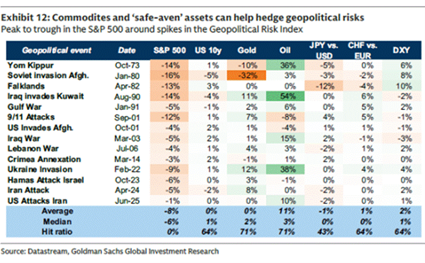
During periods of stress, markets don’t behave ideologically. In truth, they behave mechanically. As oil prices rise and liquidity tightens:
Investors face margin calls
Cash becomes scarce
The most liquid assets get sold first
Ironically, gold becomes the tool used to raise liquidity. In practical terms, a stronger USD raises gold’s cost globally, rising real yields create short-term headwinds, and central banks delay easing due to inflation concerns.
For these reasons, what appears as a structural shift, is nothing more than a necessary adjustment in the system. Plainly, this is the financial equivalent of opening the windows and letting the cold air in.
This “spring clean” has been particularly intense. Last week alone, gold recorded its worst weekly performance since 1983:
-10.6% (week ending March 20, 2026)
-14% since March 2 (Persian Gulf conflict high)
-19.7% from January 29’s all-time high
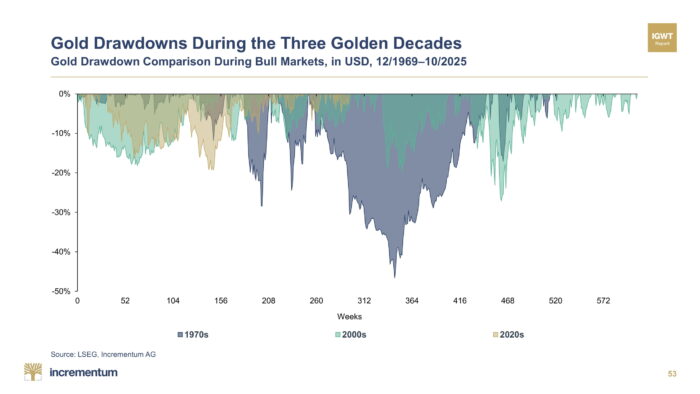
In any event, the cleaning process didn’t stop there. Into the following week, prices continued to fall, reaching a -26.8% drawdown from the all-time high, while the decline from the early-March conflict peak amounted to -24.4%.
On the surface, this feels dramatic, even alarming. Nevertheless, zooming out, a different picture emerges.
Surely, spring cleaning is rarely gentle and neither are gold corrections. History shows that these resets are not anomalies, but integral phases of bull markets.
In a nutshell, the 2020s cycle already saw a -22% correction, immediately after the 2022 Russian invasion on Ukraine. The 1970s bull market experienced drawdowns approaching -50%. The 2000s cycle had multiple deep, prolonged pullbacks, with the most intense reaching almost the -30% mark.
What feels like damage is often just preparation. Evidently, markets, like ecosystems, require periodic expunction to remain healthy.
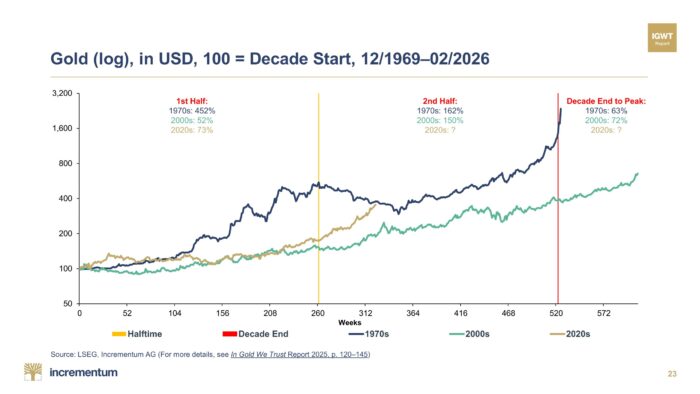
Naturally, gold does not rise in a straight line. It rises in cycles and each cycle requires periodic cleansing to eliminate weak positions and remove speculative excess, thereby allowing long-term capital to re-enter in a framework with stronger foundations.
Unquestionably, corrections are part and parcel of any bull market. In fact, they are the process that sustains it. The stronger the trend, the more necessary the clear-out.
If the selloff is the cleaning phase, then the macro backdrop is what fuels the next growth cycle. The current conflict does not just involve geopolitical tensions, it has provoked an energy crisis.
Succinctly, the historical record shows that:
Oil spikes are temporary disruptions
Gold responds with permanent repricing
Accordingly, each major oil shock has led to a higher base for gold prices over time. Think of it as fertilizer after a clearing: the ground is reset, the conditions improve, and the next growth phase begins.
Undoubtedly, this cycle is structurally different. Since 2022, due to structurally weakening confidence and trust in fiat reserves and international relations, besides the fragmentation of global trade and in the monetary architecture, central banks have been accumulating gold at record levels.
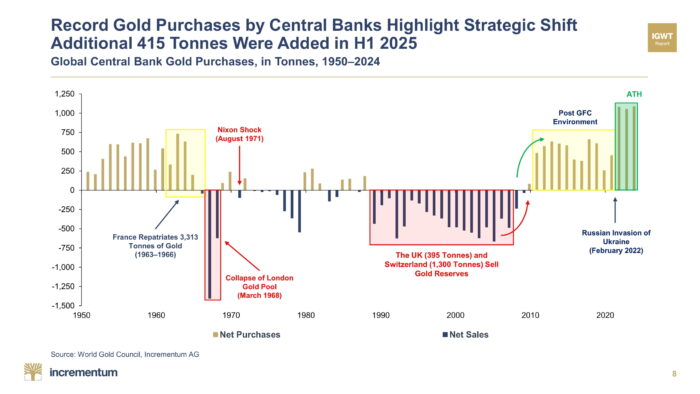
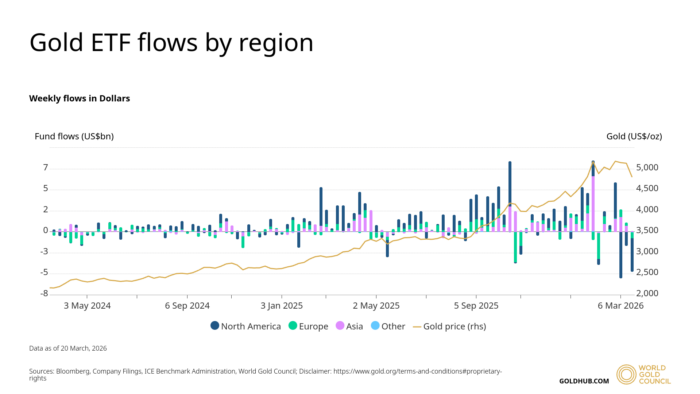
At the same time, demand is bifurcating:
Official demand (central banks) — stable and strategic
Private demand (investors) — cyclical but growing
Right now, private demand is being washed out. Despite that, the structural foundation remains and seems to be strengthening.
If gold is the anchor, silver is the more reactive part of the ecosystem. In case you did not know, owing to its dual purpose as a monetary asset and as a critical mineral, silver sits between monetary demand and industrial demand. Therefore, the white metal is inevitably more volatile than gold, especially during downturns.
In this “spring clean”, the slowdown in economic activity pressures the silver price because of lower industrial demand. To make matters worse, liquidity stress amplifies the decline.
On the flip side, beneath the surface, demand from energy, defense and technology is rising. Hence, physical supply continues to tighten. Patently, silver often struggles during the clearing phase, but it thrives once growth resumes.
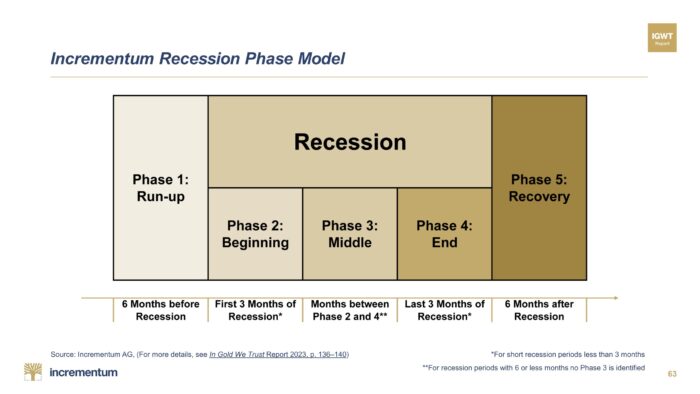
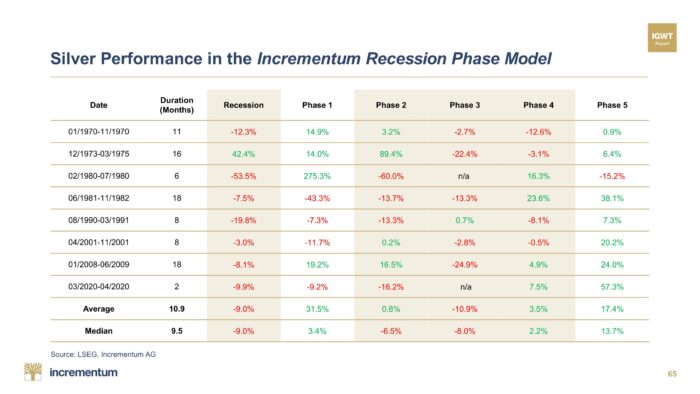
One key lesson from past cycles: gold takes time to respond to complex shocks. Especially when those shocks are inflationary, gold’s performance tends to disappoint, believe it or not. Check out Ronnie Stoeferle’s latest article for the Sound Money Report to understand the full story.
All the same, in the short term, during these sudden spikes in prices, the dollar strengthens, interest rates rise and, consequently, liquidity tightens. Notwithstanding, over time:
Inflation erodes real returns
Monetary policy shifts
Trust in financial assets weakens
Obviously, these developments create the perfect environment for gold. As the table below reveals, the spike in prices, particularly because of sharply more expensive crude oil, leads to an economic slowdown by way of demand destruction. As soon as we reach this point, the gold begins its next ascent.
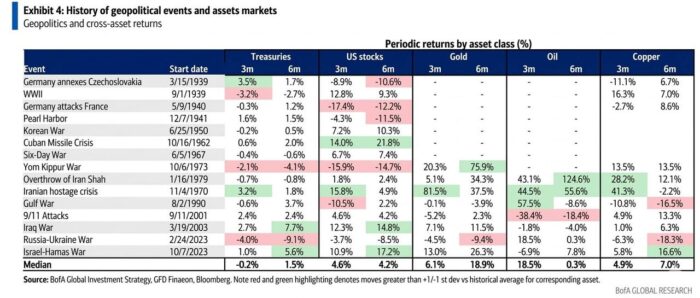
This correction, albeit sharp, is not the end of the cycle. In essence, it is the reset phase within it.
The structural drivers remain firmly in place:
Persistent inflation pressures
Geopolitical fragmentation
Monetary system realignment
Low institutional allocation to gold
Just as spring cleaning prepares a house for renewal, this market reset is preparing gold for its next move higher.
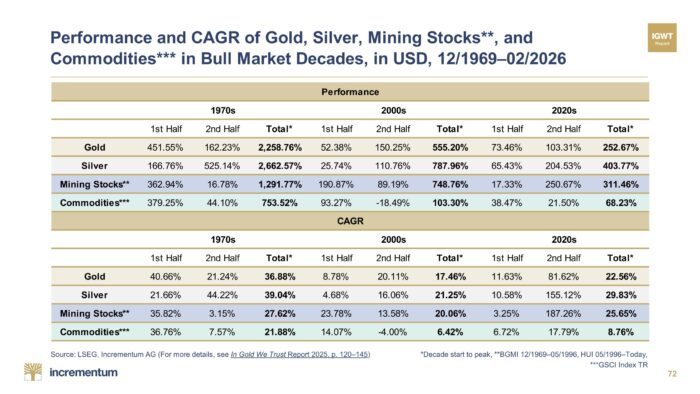
To sum up, the financial system is being cleared. Although the doomsayers have interpreted this extremely wobbling price action as a complete failure of gold’s safe haven properties, along with the silver “bubble” being pricked, the truth is that the ground is being laid down for another rally.
Now you know what comes next for the precious metals complex, and is not stagnation nor collapse. Indeed, the bull market is being renewed.
In both nature and markets, spring cleaning is never the end of the story. Indubitably, we’re witnessing the beginning of the next cycle.
#GoldPullback #SilverSellOff #GoldInvesting #SilverDemand #PreciousMetals #Commodities #SafeHaven #InflationHedge #HardAssets #CriticalMineral #OilShock #EnergyMarkets #Stagflation #SupplyChains #GlobalEconomy #GlobalRecession #InvestorSentiment #FinancialMarkets #MonetarySystem #Geopolitics #AssetPerformance #MacroTrends #InvestmentInsights #BullMarket #GoldenDecades #TheBigLong #IGWT25